
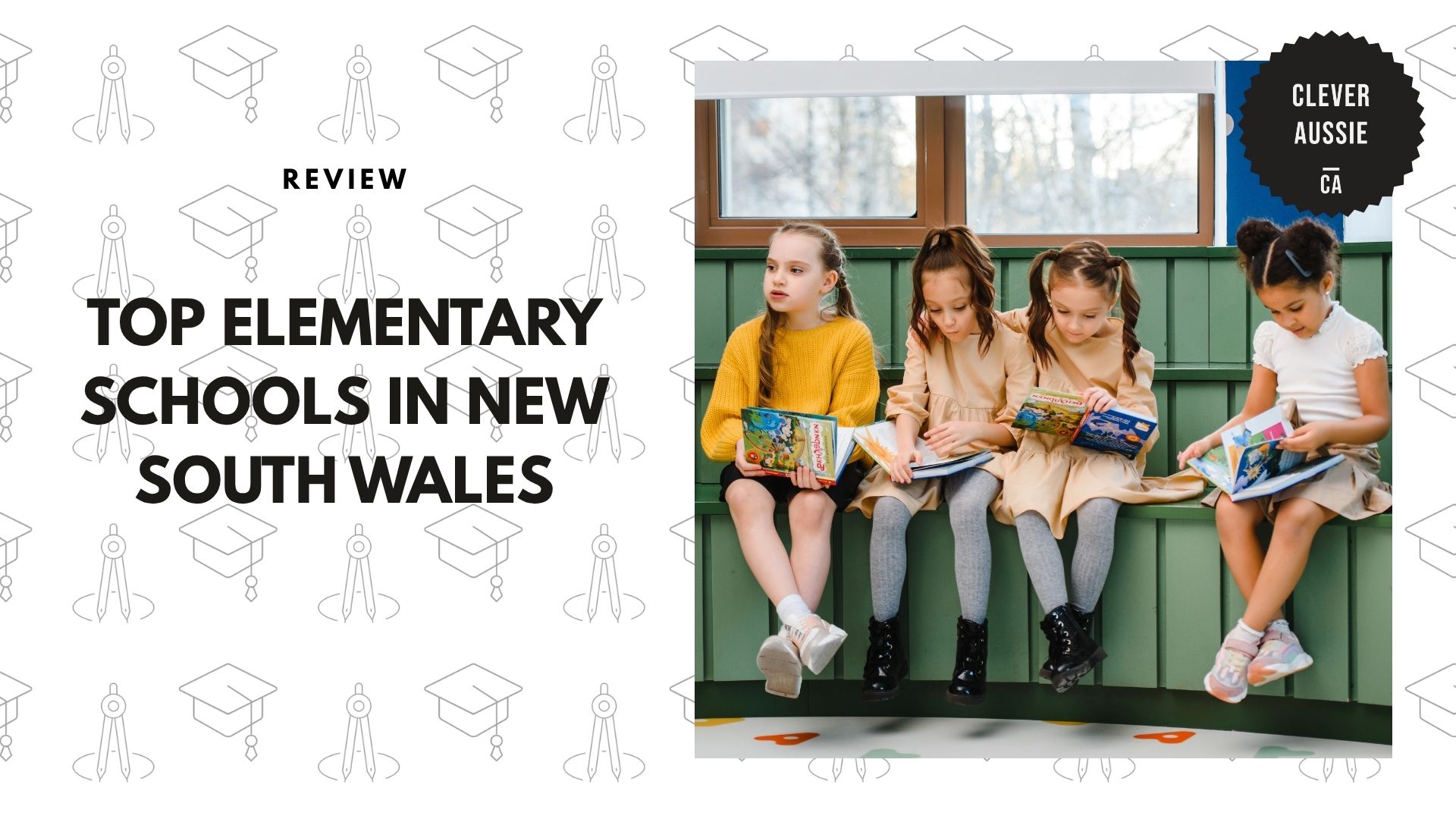
5 Best Elementary Schools in New South Wales Worth Shortlisting

I’m picky about tutoring services for my little one, so naturally I’m even fussier about schools. Finding the best elementary school in New South Wales takes more than a quick skim of rankings.
I look at teaching quality, support, class environment, and how well a school actually suits a child. After all, the right primary school shapes far more than report cards.
So I narrowed down standout NSW schools that balance strong academics with a supportive everyday experience. These are the ones I’d genuinely put on a family shortlist.
How much does elementary school cost in New South Wales?
Primary school costs in NSW vary widely by school type. Public schools are the cheapest, while private schools can cost more than AUD 25,000 per year.
Government schools may ask for $200 to $500 in voluntary contributions. Families usually pay extra for uniforms, stationery, excursions, and activities.
Catholic systemic schools typically charge around $3,500 to $6,000 a year. Levies, uniforms, and other extras can add another $500 to $1,500.
Independent and private schools generally cost $8,000 to $25,000+ annually. Enrolment fees, technology, uniforms, and other charges may add $1,500 to $5,000+.
1. Central Coast Steiner School
Address: 10 Catamaran Rd, Fountaindale
Contact: 02 4362 3400
Hours: Monday-Friday, 8:30 AM – 3:30 PM
Central Coast Steiner School caught my eye because it doesn’t treat learning like one long race to the next test.
Its Steiner approach blends literacy and numeracy with creative work, which feels especially suited to kids who learn best by doing.
The seven-acre Fountaindale campus gives students plenty of breathing room beyond the classroom. I like that assessment is ongoing and tailored to individual progress, rather than leaning too heavily on standardised testing.
The school is non-denominational too, so families from different backgrounds can feel welcome.
For parents who want a gentler, more holistic primary school experience, it has plenty going for it.
The main catch is availability, since enrolment depends on places being open. Families should also note the 12-week withdrawal notice, as leaving without enough notice may trigger a $500 exit fee per child.
2. St Andrew’s Cathedral School
Address: Gadigal Country, Sydney Square
Contact: +61 2 9286 9500
Hours: General Enquiries / Reception: Monday–Friday, 7.30 AM–4.30 PM
St Andrew’s Cathedral School won me over with how seriously it treats the basics without making school feel like a boot camp.
Its Junior School gives literacy, numeracy, phonics, and writing plenty of attention while nudging kids towards more independent learning.
I like that the academic focus still leaves room for fun. Performing arts, sport, and other co-curricular activities give students a chance to stretch beyond the classroom.
The CBD location is a big plus if your family already moves around central Sydney. Being close to Town Hall makes public transport far easier than the usual school-run shuffle.
The trade-off is that this isn’t a sprawling suburban campus, so some sport happens off-site. Enrolment is subject to availability too, which can make non-intake years trickier.
3. Kincoppal-Rose Bay School
Address: Corner New South Head Road & Vaucluse Road, Rose Bay
Contact: +61 2 9388 6000
Hours: Main reception, Monday-Friday, 8 AM – 5 PM
Kincoppal-Rose Bay School grabbed my attention because it mixes serious learning with the kind of outdoor time kids actually remember.
Its co-educational Junior School pairs core academics with coding, robotics, and hands-on STEM work.
I especially like its Wild Time programme, where students explore bushland and harbour beaches instead of learning everything from a desk.
That mix gives curious kids plenty of chances to investigate, build, and get a little dirt on their shoes.
Debating, music, and performing arts add even more variety to school life. For families wanting strong academics without squeezing out creativity, KRB feels impressively well balanced.
The catch is the non-refundable acceptance fee. If plans change before your child starts, that money generally won’t come back.
4. Sydney Montessori School
Address: 99-107 Manchester Road, Gymea
Contact: 02 9526 3000
Hours: 8:30 AM – 3 PM
Sydney Montessori School caught my attention because it gives kids a surprising amount of ownership over their day.
Instead of marching through every task in lockstep, Primary students use hands-on materials, choose the order of some activities, and still work towards NSW NESA syllabus outcomes.
What I like most is that independence here doesn’t mean teachers disappear into the background. They guide longer work periods while students learn to focus, collaborate, and manage projects without being constantly nudged.
For self-motivated kids, that can be a breath of fresh air. There’s more room to think, explore, and get properly absorbed in a task.
The flip side is that families used to tightly teacher-led lessons may find the Montessori rhythm a bit unfamiliar. Those long, self-directed work blocks won’t suit every child straight away.
5. Leppington Anglican College
Address: 50 Heath Road, Leppington
Contact: (02) 8106 5900
Hours: Monday-Friday, 8 AM – 4 PM
Leppington Anglican College caught my eye because its younger students aren’t bounced between too many teachers too soon.
In the Junior Learning Community, one core teacher handles much of the day while balancing explicit teaching with hands-on inquiry.
I like that the basics still get proper attention. Literacy and numeracy foundations sit alongside specialist lessons in language, music, sport, and creative and performing arts.
That mix makes the school feel structured without becoming stiff. It’s the kind of setup I’d consider for a child who benefits from consistency but still needs room to explore.
The catch is demand, since places are subject to availability and waitlisting can happen. Families keen on a spot would be wise to apply early rather than leave enrolment to the last minute.